Is play therapy effective?

Play Therapy Outcomes
 

Jensen et al. (2017) stated that, according to research, play therapy is a powerful tool that has been used in therapy for decades. Play therapy was traditionally used to help build rapport between the therapist and client. Play therapy can use a large variety of tools including (a) a sand tray, (b) puppets, (c) storytelling, or (d) roleplaying. However, significant research into the efficacy of play therapy has not emerged until recently. According to the article, prior meta-analytical reviews on play therapy did not include a clear identification of the play therapy interventions used; more so the outcome of said interventions (Jensen et al., 2017). The purpose of this study was to: analyze the literature related to outcomes of play therapy; provide a discussion on the quality and types of outcome measures; provide results of analysis; and conclude with future direction of play therapy research.


The authors described the method that was used to obtain the data. According to the article, the author used a meta-analysis of 100 studies about play therapy intervention outcomes. The aim was to analyze the overall effect of the therapy interventions used in the studies. The authors described the selection process of the literature. According to the authors, “using the key terms play therapy, filial therapy, family play therapy, therapeutic play, and play in therapy,” they researched different sources online that were both unpublished and published about interventions on play therapy (Jensen et al., 2017). According to the authors, the Play Therapy Outcome Research Database is the offline research tool that was used in this study to find unpublished investigations of play therapy interventions used on children. According to the article, there were five series of meta-analysis testing: (1) the first meta-analysis analyzed the overall effect of the play therapy interventions; (2) the second meta-analysis measured the treatment effect for only the five most commonly noted treatment outcomes; (3) the third metal-analysis coded the outcome measures into separate categories; (4) the fourth meta-analysis was created based on the reporting scores (Jensen et al., 2017).


Results from the study produced several outcomes. According to the author, the overall quality of the studies being analyzed were poor dues to the follow: (1) none of the studies fit the criteria of being a Type 1 study; (2) 21% of the studies met only Type 2 criteria; and (3) 79% of the studies meet only the criteria for a Type 3 study. According to the results, the following is the breakdown of the categories of study: (a) 58% accounted for randomization; (b) 30% accounted for blinded assessment; (c) 66% accounted for clear inclusion/exclusion criteria; (d) 2% accounted for diagnostic criteria; (e) 10% accounted for adequate sample sizing for a statistical power analysis; and (f) 9% accounted for described statistics. According to the results, overall,  play therapy accounted for a small to moderate effect on outcome measures (Jensen et al., 2017).


There is more to learn about the effectiveness of play therapy. Thus, future research should start to focus on the intent and purpose of said play therapy interventions. Also, future research should continue to put an emphasis on the use of (a) randomization, (b) larger sample sizes, and (c) blinded assessments. According to the study play therapy may be a legitimate tool in child therapy (Jensen et al., 2017).

References

Jensen, S. A., Biesen, J. N., & Graham, E. R. (2017). A meta-analytic review of play therapy with emphasis on outcome measures. Professional Psychology: Research and Practice, 48(5), 390-400.

https://doi.orgtcsedsystem.idm.oclc.org/10.1037/pro0000148

 

If you would like to know more about my intervention to combat stigma, click on the link below!

If you would like to get your own deck now, click the link below!

Do you live in California and are in the need of a therapist, please click on the link below!

Douglairian Therapy as an Intervention to Decrease Stigma Attitudes Towards Mental Health

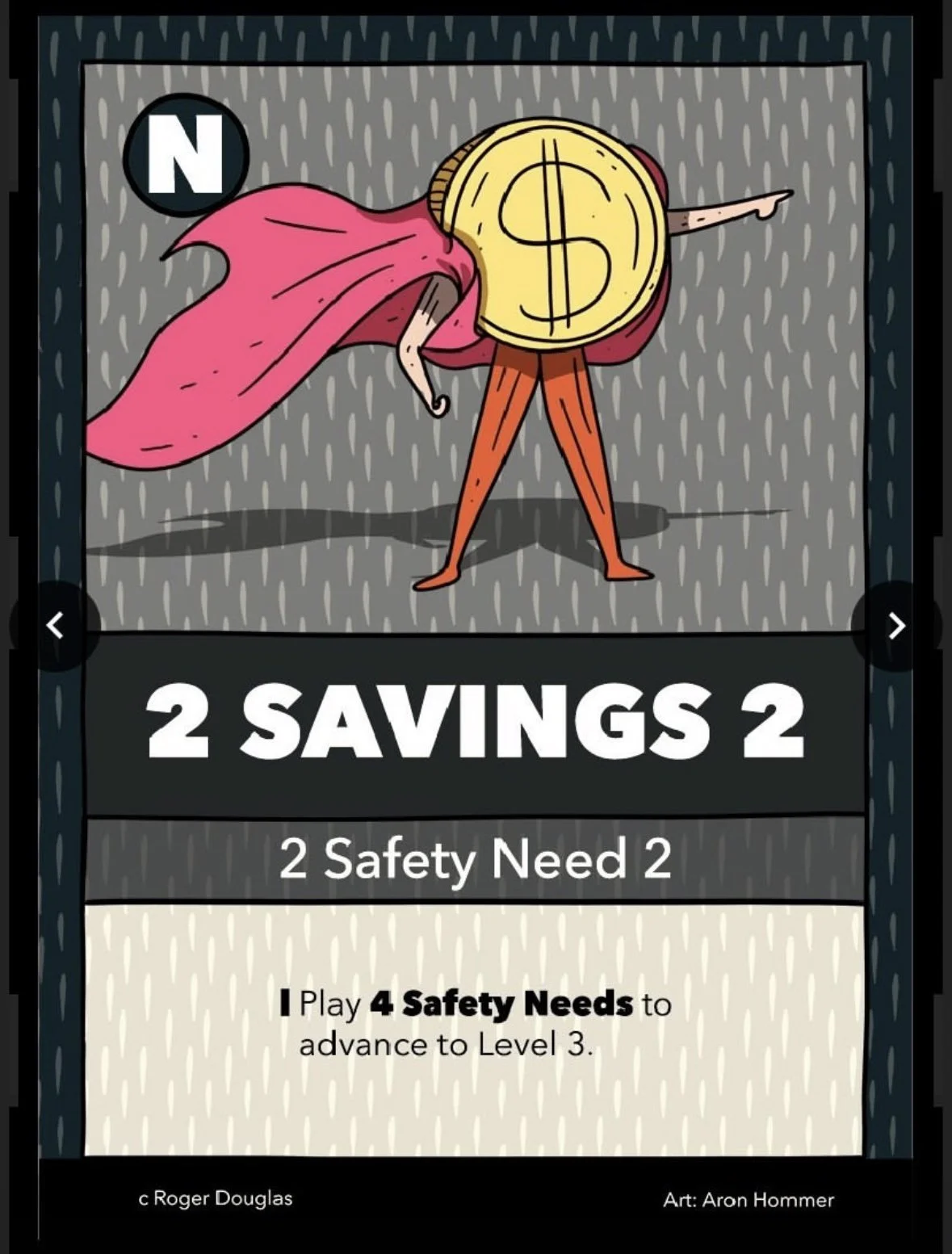
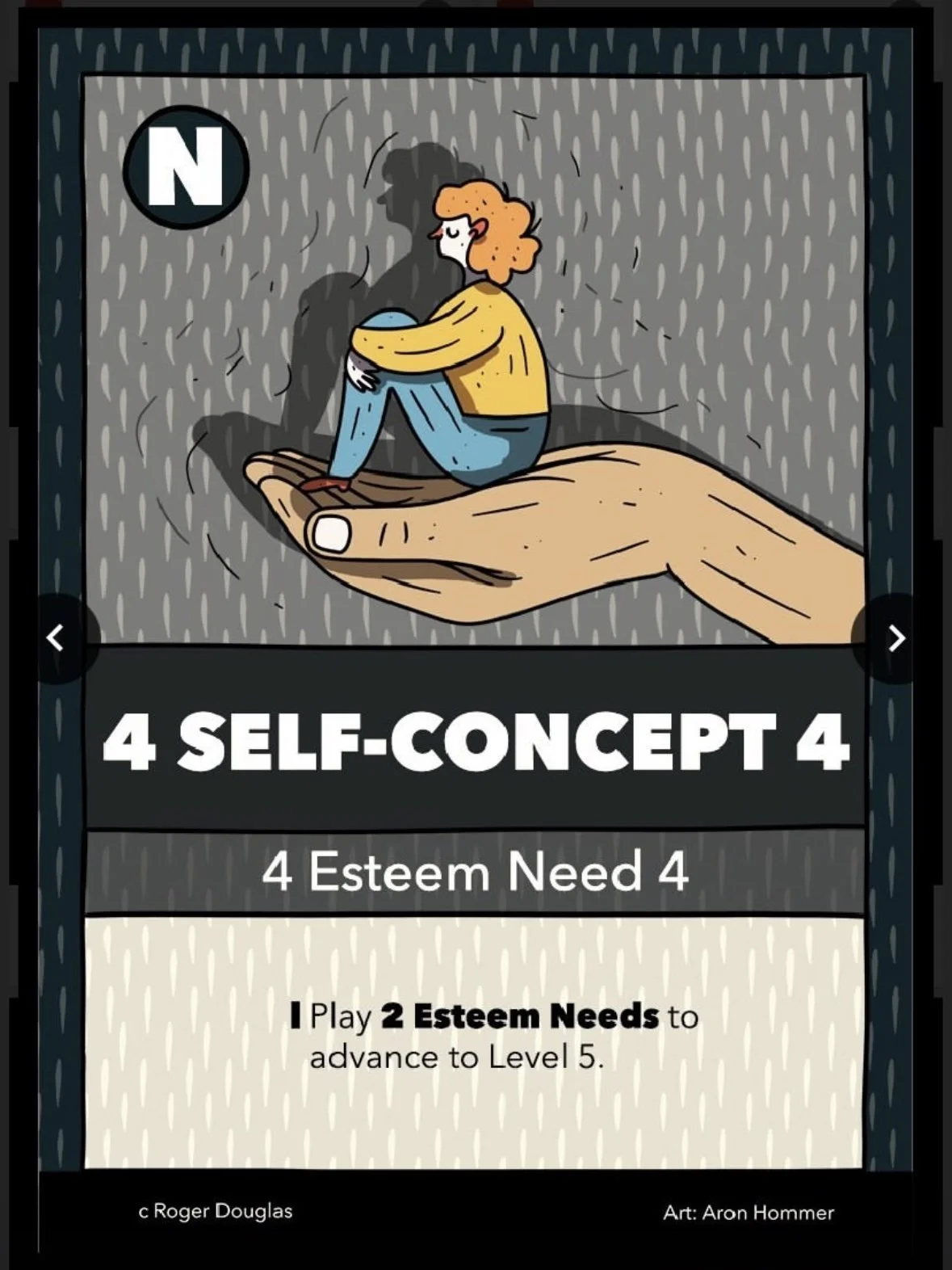
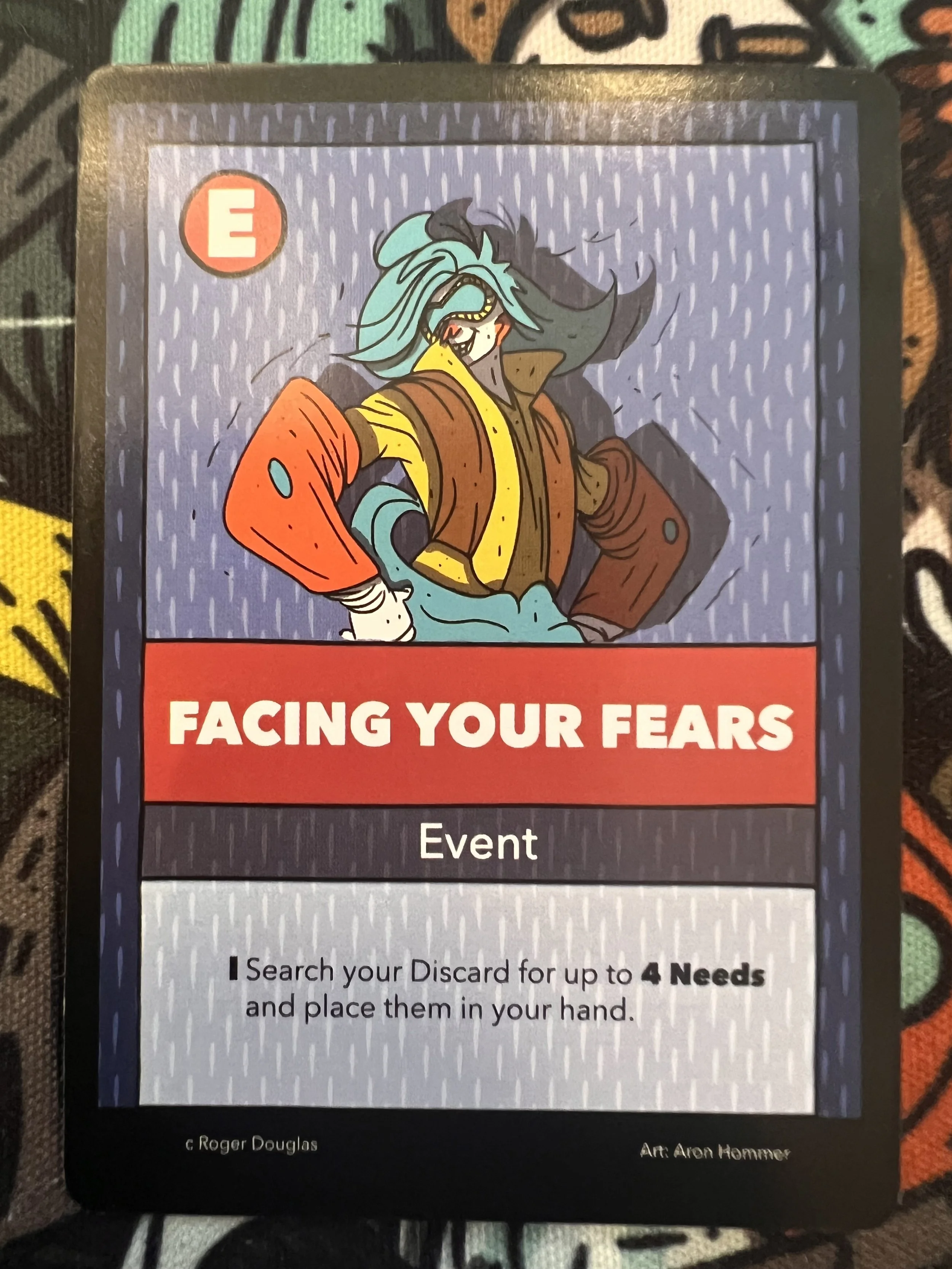
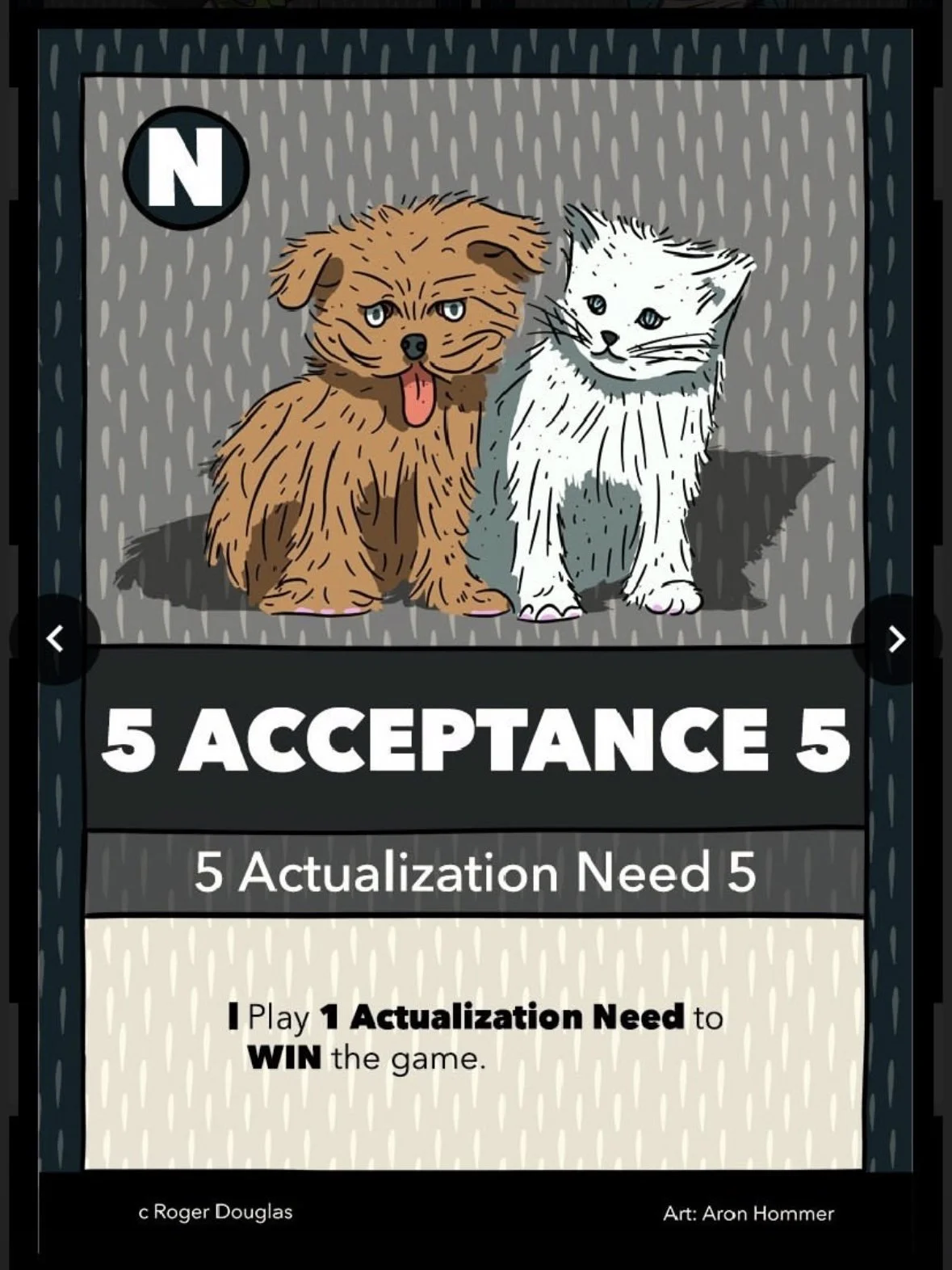
Stigma around mental illness, substance abuse, discrimination, and stereotypes directly interfere with mental health care seeking behavior. Mental Health Stigma has a major effect on early intervention, prevention, and treatment. Many children are not receiving the help they need. There is a growing emphasis on the need for mental health services that are accessible to children. The consequences of mental health stigma are a high incarceration rate, high suicide rate, and high overdose rate. The desired outcome of this study is that Douglairian Therapy: Mental Health Trading Card Game intervention will reduce the stigma of the participants of this study. The purpose of this experimental cross-sectional quantitative study was to evaluate the intervention against mental health stigma.

Problem Identification

Stigma around mental illness, substance abuse, discrimination, and stereotypes directly interfere with mental health care seeking behavior. Simply, people are not getting the help they need because they are afraid of becoming labeled as “crazy” or an “addict”. Minority youth are highly susceptible to negative views towards mental health services.

Background of the Problem

Mental health stigma has a major effect on early intervention, prevention, and treatment. According to Cochran and Cochran (2017) minority children who grow up in low-income neighborhoods are more likely to end up in prisons. These children tend to have fewer academic achievements, exhibit more behavioral problems, and can become aggressive. The study analyzed client centered play therapy (CCPT) on the following problem behaviors: (1) physical behavior that is inappropriate; (2) acts or threats of aggression; and (3) relational/social problems. The results from the study show that play therapy was effective in reducing these highly disruptive behaviors (Cochran & Cochran, 2017).

Significance of the Problem

Many children are not receiving the help they need. Meany-Walen et al. (2016) stated that the research on government reports shows that there is a growing emphasis on the need for mental health services that are accessible to children. Students tend to participate in school mental health programs only as a disciplinary measure to curb internalizing and externalizing behaviors in the classroom setting. The purpose of that study was to test the effectiveness of play therapy in off task behaviors of children with poor social skills. The results showed that play therapy was effective in reducing off task behavior (Meany-Walen et al., 2016).

Consequence of the Problem

The consequences of mental health stigma are a high incarceration rate, high suicide rate, and high overdose rate (e.g., Chang & Ray, 2016). The inability to receive mental health treatment can lead to lack of social-emotional competency. According to Cheng and Ray (2016), social-emotional competence is an important skill that children must develop to achieve success in the future. If the child is unsuccessful in acquiring this skill, they are more likely to succumb to: (a) delinquency; (b) maladjustment; (c) failed relationships; and (d) academic failures. These problems can also lead to the following issues: (a) behavioral; (b) social; and (c) emotional (Cheng & Ray, 2016).

Desired Outcome of the Intervention

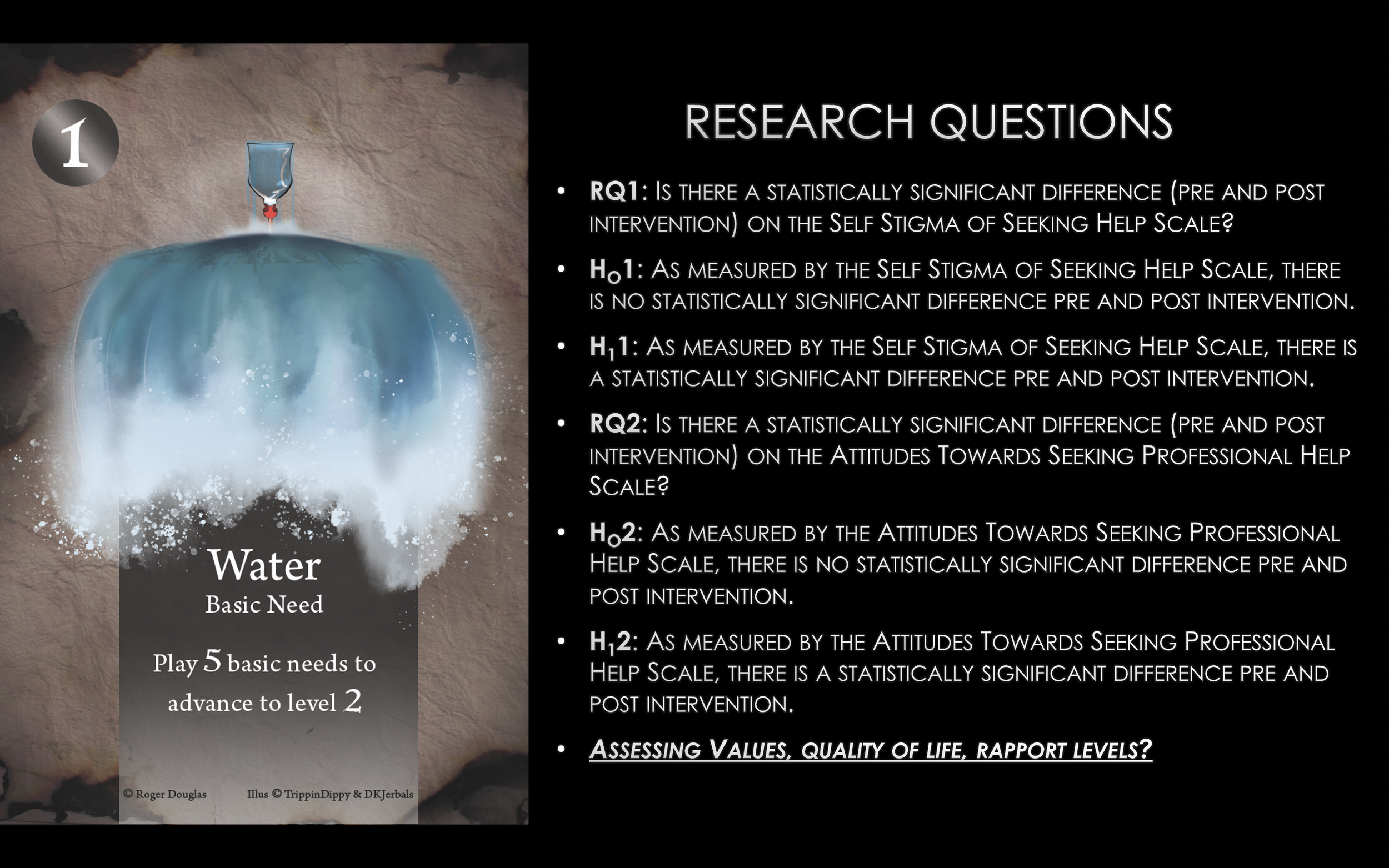
The desired outcome of Douglairian Therapy: Mental Health Trading Card Game intervention was to reduce the stigma of the participants of this study. This was assessed through the Self Stigma of Seeking Help Scale and the Attitudes Towards Seeking Professional Help Scale. Increased scores on both scales during the maintenance period will show a decrease in mental health stigma. If more people get the help they need, there could potentially be a drastic decrease in suicide, incarceration, and overdose: even though effects on those factors will not be assessed in this study.

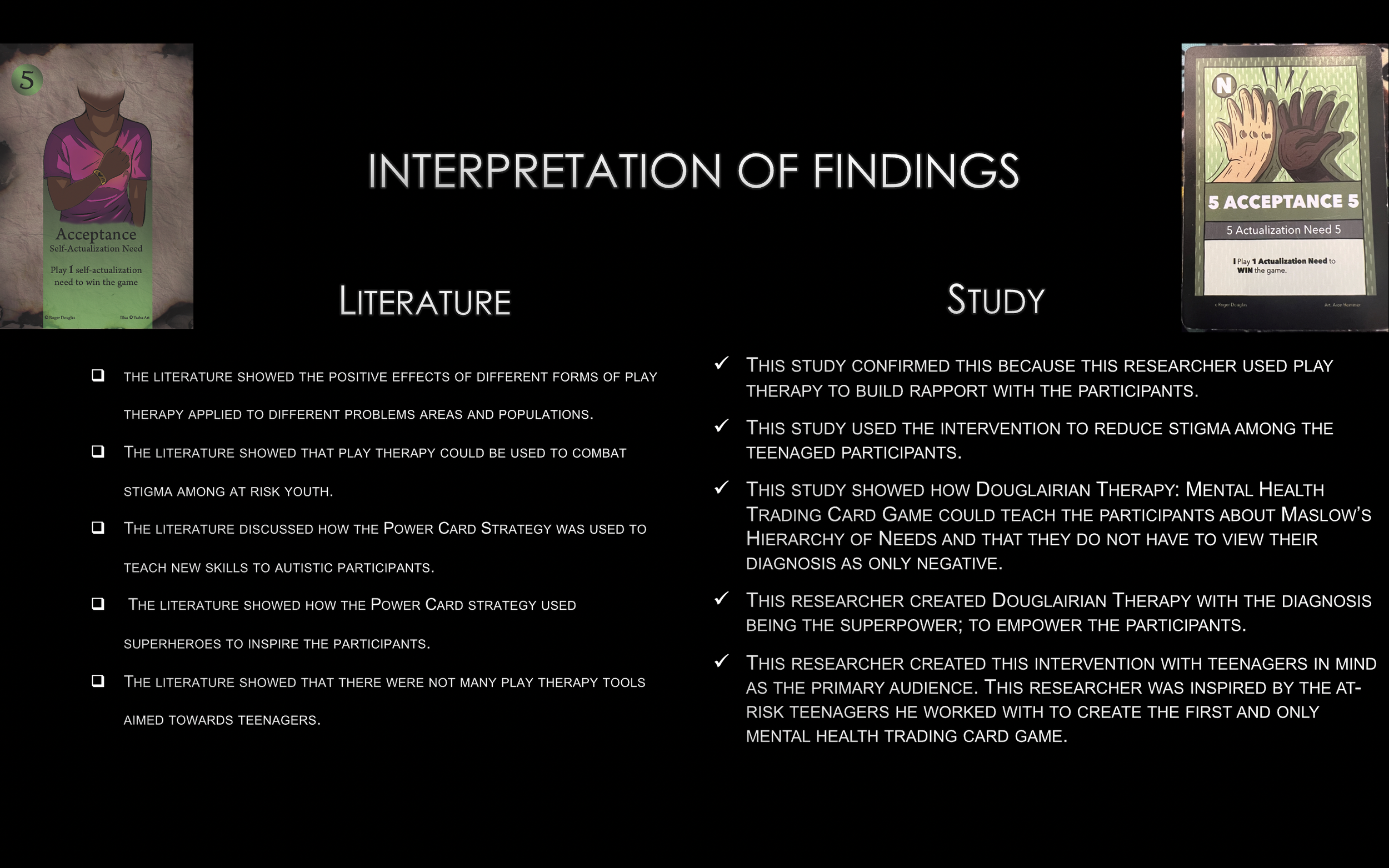
Implications

The first implication of this study is that Douglairian Therapy was able to decrease selfstigma among the participants in this study in statistically significant way. The second implication of this study is that Douglairian Therapy was able to promote positive attitudes towards seeking professional help among the participants in this study in a statistically significant way. The significance of this information is that many at risk teenagers have stigma towards seeking help. Most of the time, they are being mandated to drug programs as a term of their probation. While these teens are in these programs, often there is a barrier between the client and the care provider building rapport. Douglairian Therapy can be used to help build rapport with the client and reduce any self-stigma attitudes towards seeking help.

Conclusion

The purpose of this study was to assess if there was a statistically significant difference on a measure of mental health stigma after being introduced to Douglairian Therapy: Mental Health Trading Card Game. The results of the study supported both hypothesis that the intervention would create a statistically significant difference in scores of the Self Stigma of Seeking Help Scale and the Attitudes Towards Seeking Professional Help Scale. The results also showed an improvement in scores for all participants after being exposed to the intervention for only 60 minutes. Douglairian Therapy was created to end the stigma around mental illness and substance abuse so that individuals would feel more comfortable seeking help. The suicide rates among the at risk youth population are heartbreakingly high.


Thank you so much for your time! I am working creating a non profit where I can provide my decks and therapy for free for orphans, homeless veterans, and widows. Until then please support by sharing my content!


If you would like to know more about my intervention to combat stigma, click on the link below!

If you would like to get your own deck now, click the link below!

Lastly if you live in California and are in the need of a therapist, please click on the link below!

Stigma: Top 5 reasons why people do not attend therapy!

Introduction:

Have you ever been forced to go to therapy? Hi, my name is Dr. Roger Douglas and I have a private practice called Douglairian Psychology APC where I have been seeing clients since 2021. In my experience, I have seen many obstacles that prevent people from starting therapy. If you have a few moments, I would like to go over the top 5 reasons why I believe people do not attend therapy.

Reason 5: “I do not have enough time”.

Some people believe that therapy will take up their whole schedule. If this is you, I hear you. Do you know how long a therapy session lasts? Do you know how often people meet with their therapist per week?

Solution: Communicate with potential therapist during your free consultation. Ask them how long the therapy session will last and how often you will be meeting per week. Then you can adjust according to your schedule. You are in charge!

Reason 4: “Therapy is too expensive”.

I get it. Trust me. I have seen the prices on some private practice sites. Did you get immediately discouraged and end your search? Do you have a budget? Do you have insurance?

Solution: Shop around and compare prices. Utilize your insurance. When I set my rates for my private practice, I made sure to make it lower than the other therapist in my area. By a lot. I also got on several insurance panels to make sure I can access people who cannot afford to pay out of pocket.

Reason 3: “There is nothing wrong with me”.

As the saying goes, “If it isn’t broke then don’t fix it”. Do you believe that there is something wrong with people who go to therapy? How do you view people who go to therapy? Where did you learn this perspective?

Solution: Everyone experiences life differently. I had an amazing supervisor that once told me, “Everyone needs therapy. Everyone can benefit from therapy”. There are many benefits to getting help. You do not have to be in crisis to go to therapy. If this is you, explore this with your potential therapist during the consultation.

Reason 2: “I cannot trust a stranger with my secrets”.

“If I open up, they would lock me up and throw away the keys”. Do you know what confidentiality is?

Solution: Ask your potential therapist or research the following terms: confidentiality, 5150, danger to self and others, insurance audit, and court order. These are the circumstances that your private conversation can become public.

Reason 1: “Therapy is for crazy people”.

Television has created a negative image for mental illness. This has created the stigma that we see today. Where have you gained your stigma towards therapy? Was it from parents? Was it from social media? Friends?

Solution: The best way to fight misinformation is with information. Do your research on the benefits of seeking therapy. Also research the risks of not seeking help. I have written my dissertation on the effect of stigma on at risk youth. The three main results were: incarceration, overdose, or suicide.  

Bonus Solution:

o   Click the link below and get yourself a copy of Douglairian Therapy to combat stigma!

o   Click the link below to join a community of advocates!

o   Click the link below to select a California based therapist to do a free consultation.


Conclusion:

No one likes being forced to attend anything: especially therapy. The purpose of this blog was to bring aware to stigma. I hope you have enjoyed my top 5 reasons why I believe people do not initiate therapy.